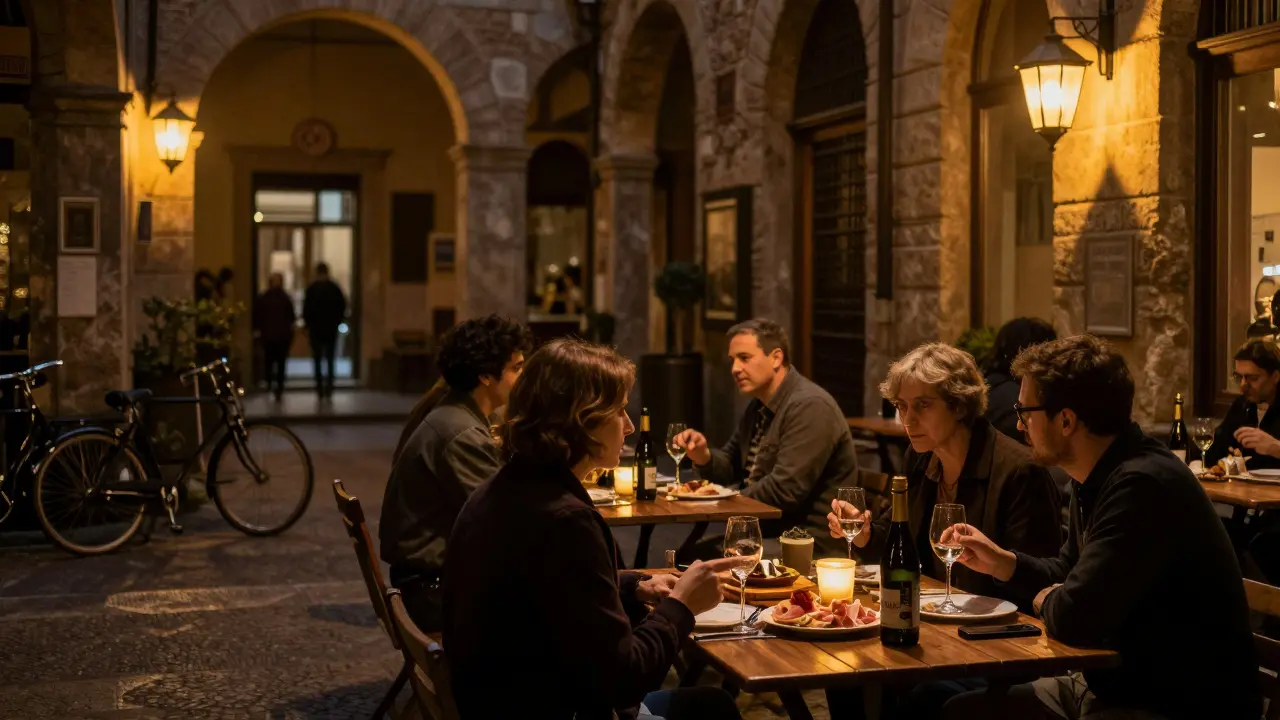
Most tourists in Milan stick to the same three spots near Duomo, sip overpriced Aperol spritzes, and wonder why the city feels dead after 10 p.m. But if you want to feel the real pulse of Milan after dark, you need to ditch the guidebook and find the streets where locals actually live, laugh, and dance. This isn’t about fancy rooftop lounges or Instagrammable cocktail bars. It’s about the hidden courtyards, the no-name wine shops that turn into dance floors at midnight, and the 3 a.m. pizzerias where the chef knows your name by the third visit.
Forget the Navigli at Night - Here’s Where the Real Action Is
The Navigli canals look beautiful in daylight, but by 9 p.m., they turn into a tourist trap. Overpriced drinks, loud music pumped through speakers, and people taking selfies with fake ‘Italian’ accents. Skip it. The real nightlife in Milan doesn’t start until after 11 p.m., and it’s scattered across neighborhoods most visitors never explore.
Start in Brera. Not the postcard version with the art galleries. Head down Via Fiori Chiari or Via della Spiga after 10:30 p.m. You’ll find tiny wine bars like Bar Basso - yes, the one that invented the Negroni Sbagliato - but also quieter spots like La Sera, where locals sip Lambrusco and talk politics over charcuterie. No one’s taking photos. Everyone’s talking. That’s the vibe.
Then, take the metro one stop to Porta Ticinese. This is where Milan’s youth live, work, and party. The street itself is lined with vintage shops and graffiti-covered walls, but the real magic happens in the alleyways behind it. Officine del Sole is a converted warehouse that turns into a live music venue on weekends. No bouncers. No dress code. Just good punk, jazz, or electronic sets depending on the night. The crowd? Design students, musicians, and old-school Milanese who’ve been coming here since the ‘90s.
When to Go - And When to Stay Home
Milan doesn’t move like New York or Berlin. There’s no 24-hour party culture. But that doesn’t mean it’s quiet. It just means timing matters.
Thursday and Friday are the real start of the week. Locals get off work at 7 p.m., change clothes, meet for aperitivo around 8:30, and don’t hit the clubs until after 11. Saturday is the peak. Sunday? Most places close by 3 a.m. and people are already at breakfast spots by noon.
Don’t show up at a club before midnight. You’ll be the only one there. And don’t expect to walk in at 2 a.m. and get in easily. The best clubs - like Magazzini Generali or La Scala (yes, the same name as the opera house, but totally different) - have lines that form after 1 a.m. But here’s the trick: if you know someone who goes regularly, you can text them a photo of your ID and they’ll tell you if it’s worth waiting. Otherwise, head to Bar Luce in the Brera district - it’s open until 4 a.m., has cheap beer, and the DJ spins vinyl from the ‘80s. No one cares if you’re dressed up or not.
Aperitivo Isn’t a Drink - It’s a Ritual
You’ve heard of aperitivo. But most tourists think it’s just a drink with a snack. It’s not. It’s a three-hour social event. In Milan, aperitivo starts at 7 p.m. and ends when the bar runs out of food. You pay €10-€15, and you get unlimited access to a buffet that includes bruschetta, arancini, stuffed peppers, and sometimes even pasta.
Go to Bar Basso or Al Mondo in the Porta Venezia area. They don’t have the biggest crowds, but they have the best spread. And if you show up at 7:15, you’ll get the best seats and the freshest food. Show up at 8:30? You’re fighting for the last slice of pizza with a group of tourists who think they’re “doing it right.”
Pro tip: Order a spritz, but don’t ask for it with soda water. In Milan, a real Aperol spritz is made with Prosecco, Aperol, and a splash of soda - not the sweet, syrupy version you get in the U.S. And if you want to sound like a local, say “un aperitivo, per favore” - not “I’ll have a spritz.”
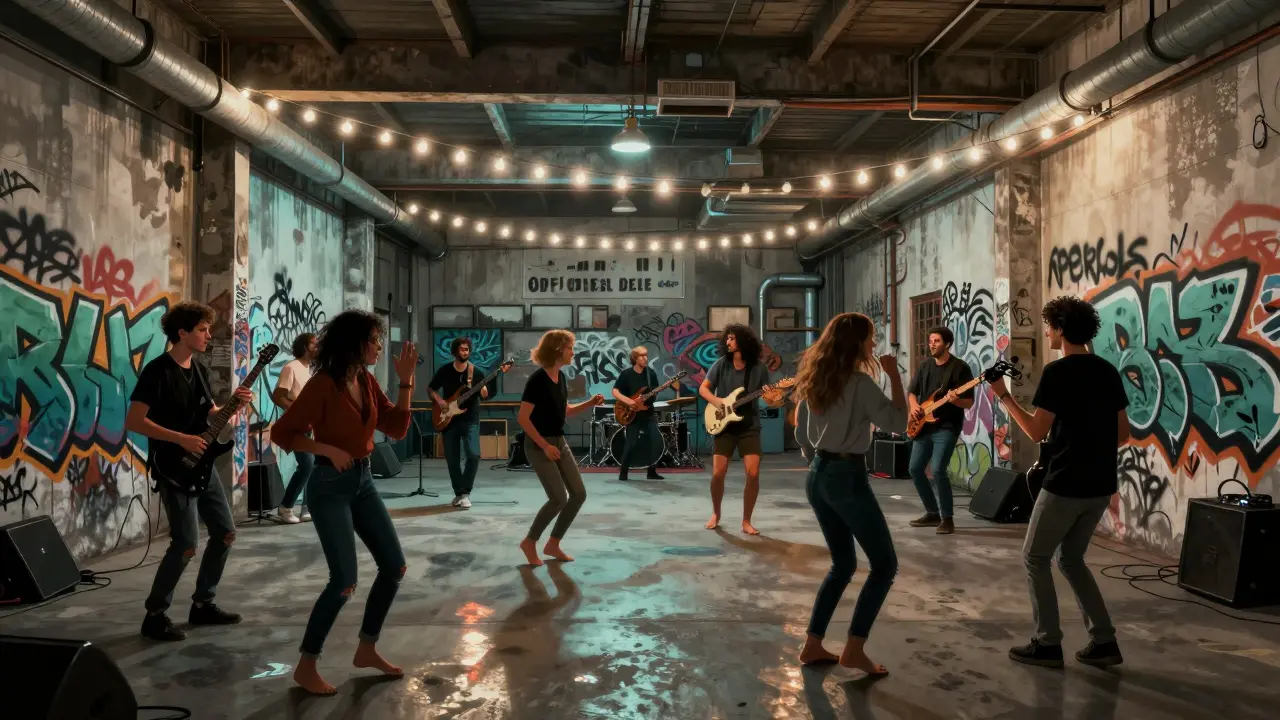
The Clubs That Don’t Look Like Clubs
Milan’s best clubs don’t have neon signs. They don’t have velvet ropes. Sometimes, they don’t even have a name on the door.
Magazzini Generali is in a former warehouse near the Porta Genova train station. You’ll find it by the line of people smoking outside. Inside, it’s industrial - concrete floors, exposed pipes, and a sound system that shakes your ribs. The music? Mostly techno and house, but they also throw jazz nights and experimental electronic sets. No cover charge before midnight. After that, it’s €10. And yes, they serve espresso at 3 a.m. if you need to wake up.
Then there’s La Scala - not the opera house, the underground club in the basement of a 19th-century building near Corso Como. You need a password to get in. No, seriously. You text the host the night before, and they send you a word. It’s usually something like “cicoria” or “pasticcino.” Why? Because they want people who care, not people who just want to be seen. Inside, it’s dim, intimate, and packed with artists, curators, and fashion insiders who’ve been here since it opened in 2018.
And if you’re feeling adventurous, head to Loft 21 in the Lambrate district. It’s a converted factory with no sign. You’ll know you’re in the right place when you see a group of people laughing outside a metal door. Go up the stairs, past the graffiti wall, and you’ll find a rooftop bar with views of the city skyline and a DJ spinning rare Italian disco from the ‘70s.
What to Wear - And What to Leave at Home
Milan is fashion-forward, but not in the way you think. You don’t need to wear Gucci to get into a club. You just need to look like you care.
Men: Dark jeans, clean sneakers or loafers, a fitted shirt or turtleneck. No hoodies. No baseball caps. No flip-flops - even in summer. If you look like you rolled out of bed, you won’t get past the door.
Women: A simple dress, tailored pants, or a blouse with dark trousers. Heels aren’t required, but avoid sneakers unless they’re designer. No oversized coats. No touristy scarves with “I ❤️ MILAN” printed on them.
And don’t wear anything with logos. Milanese people don’t show off brands - they show off taste. A well-fitted black coat beats a logo-heavy jacket every time.
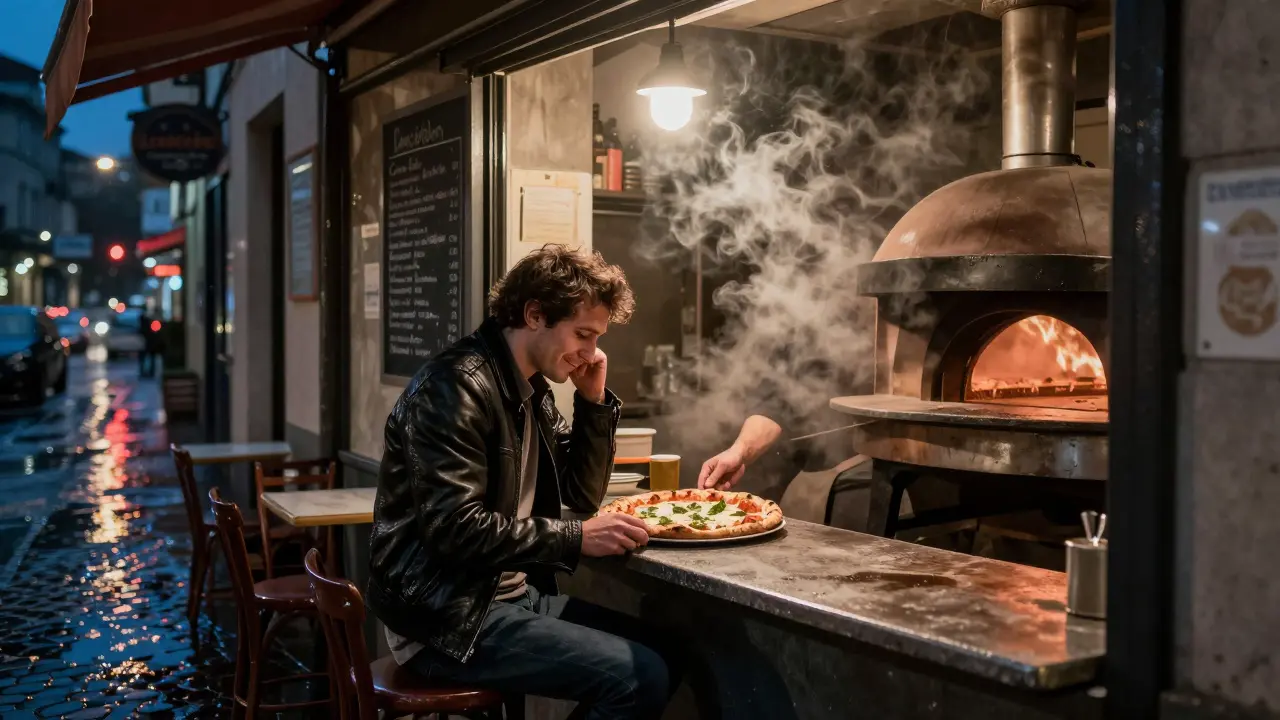
Food After the Party - Because Milan Doesn’t Sleep
At 4 a.m., most cities are empty. Milan is just getting started. The best post-party eats aren’t in tourist zones. They’re in the backstreets of Lambrate and Porta Vittoria.
Pizzeria Il Forno in Lambrate opens at 11 p.m. and doesn’t close until 6 a.m. Their margherita pizza is thin, crispy, and topped with fresh basil from a vendor two blocks away. They serve it with a side of local beer - not imported. No one speaks English. The waiter just nods when you point at the pizza.
Or try Trattoria da Vittorio near Porta Vittoria. It’s a 24-hour spot with a menu written on a chalkboard. Their risotto alla Milanese is the real deal - saffron-infused, creamy, and served with a glass of red wine that costs €4. Locals eat here after clubs, after dates, after breakups. It’s not fancy. But it’s honest.
How to Avoid the Tourist Traps
Here’s the truth: if a place has a sign in English, a menu with photos, or a bouncer checking IDs at the door before midnight - it’s not for locals. Walk away.
Don’t go to clubs with “Milan Nightlife” in the name. Don’t follow Instagram influencers to “the best rooftop bar.” Don’t book a guided “secret nightlife tour.” Those tours take you to the same places every night, and the guides are paid to push drinks.
Instead, ask a barista. Ask a shop owner. Ask someone who works late. Say: “Dove va la gente del quartiere a ballare?” - Where do people from this neighborhood go to dance? You’ll get a real answer.
And if you’re still unsure? Just walk. Find a street with lights on after 11 p.m. Follow the music. Follow the laughter. The best night in Milan isn’t planned. It’s stumbled upon.
What to Bring - And What to Leave Behind
You don’t need a reservation. You don’t need a VIP list. But you do need:
- A valid ID - even if you look 25, they’ll check.
- Cash - many small bars and clubs don’t take cards.
- A light jacket - Milan nights get chilly, even in summer.
- A phone with offline maps - you won’t always have signal in the alleys.
Leave behind:
- Your phone case with a selfie stick attached.
- Your tourist map.
- Your expectation that everything will be loud, bright, and easy to find.
Milan’s nightlife isn’t about being seen. It’s about being present.
Is Milan nightlife safe for solo travelers?
Yes, Milan is one of the safest major cities in Europe for solo travelers at night. The neighborhoods where locals party - Brera, Porta Ticinese, Lambrate - are well-lit and patrolled. Avoid deserted streets after 3 a.m., but if you’re in a busy bar or club, you’re fine. Don’t walk alone through the Navigli canals late at night - that’s where pickpockets target tourists. Stick to main roads and trust your gut.
What’s the best night to go out in Milan?
Friday and Saturday are the best nights. Clubs are full, live music is happening, and the energy is high. Thursday is great for low-key bars and early crowds. Sunday is quiet - most places close by 3 a.m. and locals are recovering. Avoid Monday and Tuesday unless you’re looking for a quiet drink and a pizza.
Do I need to speak Italian to enjoy Milan’s nightlife?
No, but it helps. Most bartenders and club staff speak English, especially in popular areas. But if you say even a few words in Italian - “Un aperitivo, per favore,” “Grazie,” “Dove si balla qui?” - you’ll get better service, more smiles, and sometimes even free snacks. Locals appreciate the effort.
How much should I budget for a night out in Milan?
You can have a full night out for €30-€50. Aperitivo (€12), one club entry (€10-€15), a late-night pizza (€8), and a couple of drinks. Skip the tourist bars and you’ll save big. Avoid places that charge €20 for a cocktail - that’s not Milanese. That’s for people who don’t know better.
Are there any age restrictions for clubs in Milan?
Most clubs require you to be 18 or older. Some upscale or underground venues may enforce 21+. Always carry ID - even if you look 25. Bouncers are strict. If you’re under 18, you won’t get in anywhere. But you can still enjoy aperitivo at bars - those are open to all ages until 11 p.m.