Most visitors to Paris stick to the same few spots: the Eiffel Tower, the Louvre, Montmartre. They snap the same photos, queue for the same croissants, and leave thinking they’ve seen the city. But Paris has layers-quiet courtyards, secret bookshops, alleyway cafés where the coffee is strong and the chatter is in French. You won’t find these on Google Maps’ top results. You need someone who knows where to look.
Why a Local Guide Changes Everything
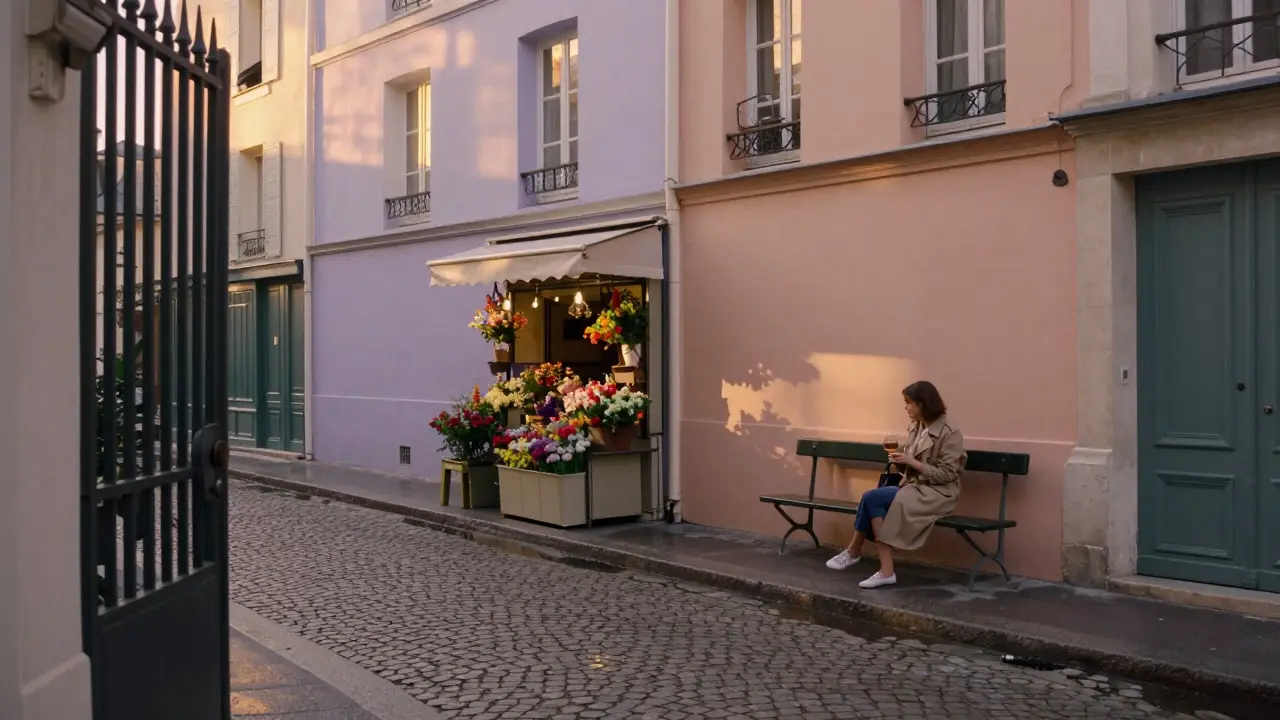
A local guide isn’t just someone who points at landmarks. They’re the person who knows which boulangerie still uses wood-fired ovens, which metro station has the best people-watching, and which bridge offers the quietest view of the Seine at sunset. They’ve walked these streets for years-not as a job, but as a life.Take Rue Crémieux. It’s a pastel-colored street in the 12th arrondissement, lined with houses that look like they’re from a storybook. Tourists stumble on it by accident. Locals know it’s the perfect place to sit with a glass of wine and watch the light change over the iron gates. A guide will take you there before the Instagram crowds arrive, and maybe even introduce you to the woman who runs the tiny flower stall at the end.
The Bookstore That Doesn’t Exist on Google
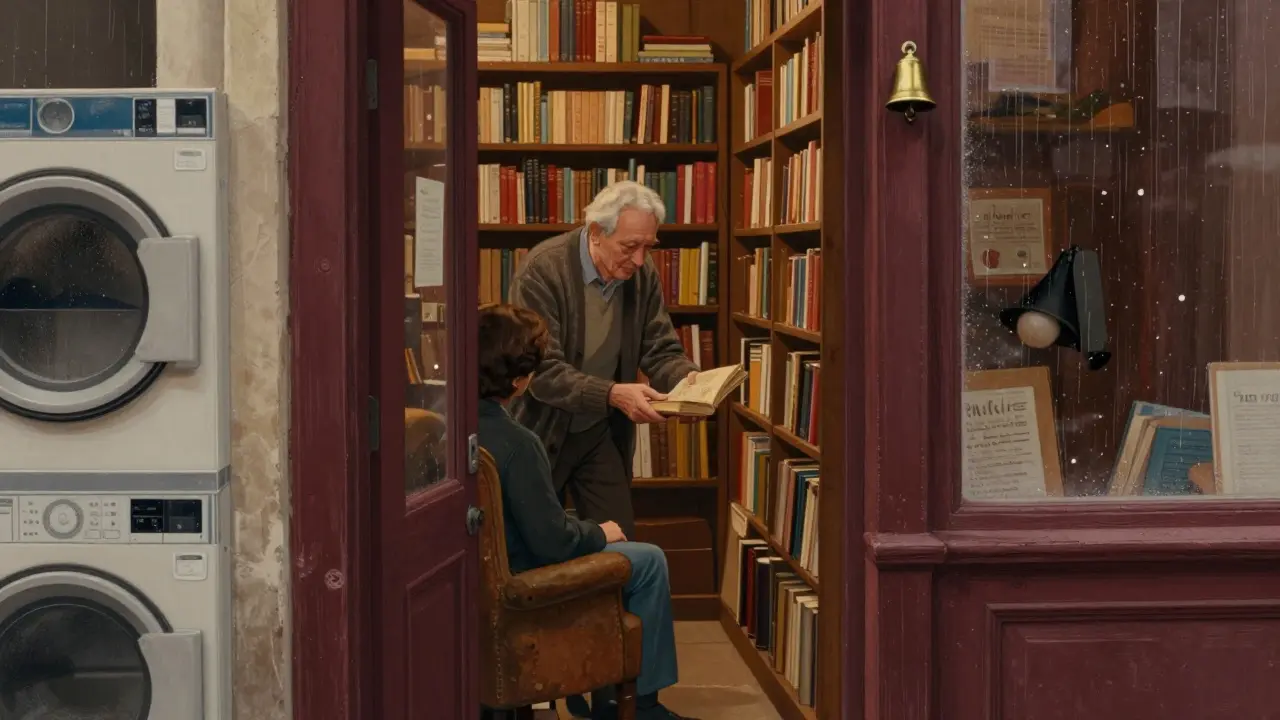
Tucked between a laundromat and a hardware store in the 5th arrondissement is Librairie du Cygne. No sign. No website. Just a narrow door with a bell. Inside, books are stacked floor to ceiling, many in French, some in forgotten languages. The owner, a retired linguist, will ask what you’re looking for-and then pull out a book you didn’t know you needed. Maybe it’s a 1920s poetry collection from Lyon. Maybe it’s a guide to Parisian street cats from 1973. He doesn’t sell them all. Sometimes, he just lets you read them there, in the armchair by the window.Most tourists never hear of it. A local guide knows because they’ve been given a key by the owner’s daughter years ago, after helping carry boxes during a flood. That’s the kind of connection that doesn’t show up in search results.
The Market That Only Opens on Tuesdays
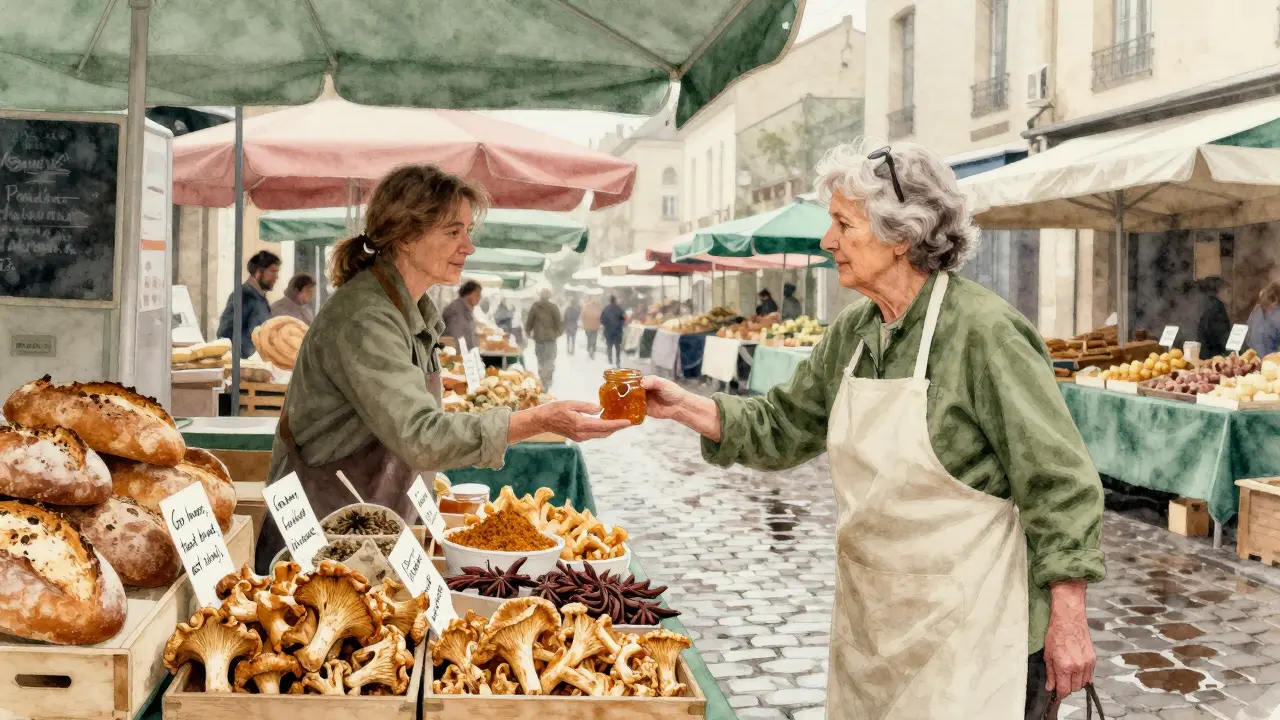
Marché d’Aligre in the 12th arrondissement is famous-but not for what you think. The big market days are Saturday and Sunday. But Tuesday? That’s when the locals come. The stalls are quieter. The cheese seller remembers your name. The fishmonger saves the last mackerel for the regulars. You’ll find fresh chanterelles, hand-ground spices, and bread baked that morning in a wood oven.One Tuesday, a guide took me to a stall run by an elderly woman who sells homemade confiture de coings-quince jam. She didn’t have a sign. Just a jar, a spoon, and a note: “Go home, toast bread, eat slowly.” I bought two jars. I still have one. I haven’t opened it yet. I’m waiting for the right moment.
The Secret Garden Behind a Church
Behind Église Saint-Sulpice, past a locked gate and a narrow staircase, is a garden no tourist map mentions. It’s not grand. No fountains. No statues. Just grass, old trees, and a few benches. Locals come here to read, to cry, to sit in silence. The church bells still ring, but the sound is muffled by the leaves.On a rainy afternoon, my guide sat beside me and told me about her mother, who used to bring her here after school. “She said Paris wasn’t about the monuments,” she told me. “It was about the spaces between them.”
Where the Locals Eat-Really Eat
You’ve heard of Le Comptoir du Relais. You’ve seen the photos. But the real hidden dining spots? They’re in the backstreets of Belleville, in the 20th arrondissement. La Belle Hortense is one. No menu. Just a chalkboard with the day’s dishes: rabbit stew, lentils with smoked pork, a single dessert that changes daily. The chef, a former chef at a Michelin-starred place, left the city center to cook for neighbors. He doesn’t take reservations. You show up, stand at the counter, and order what he’s made that day.Another is Le Baratin in the 20th. It’s tiny. You’ll wait an hour. But the wine list is curated by a sommelier who visits vineyards in the Loire every month. The food is simple-roasted beets, grilled sardines, a perfect omelette. The owner once told me, “If you want to taste Paris, don’t eat where the signs are bright. Eat where the waiters don’t smile too much.”
The Metro Station That Feels Like a Museum
Most people rush through the metro. But Line 6 between Bir-Hakeim and Passy? That’s where the art is. The stations here were renovated in the 1970s with original tile work, stained glass, and ceramic murals by local artists. At Bir-Hakeim, the ceiling is painted with constellations. At Passy, the walls are lined with ceramic tiles showing Parisian life from 1900.One morning, my guide stopped at the platform and pointed to a tile of a woman hanging laundry. “That’s my great-aunt,” she said. “She worked at the factory that made these tiles. No one knows it anymore. But I do.”
The Bridge Where No One Takes Photos
Pont Alexandre III is the postcard bridge. But walk just 15 minutes west, and you’ll find Pont de Bercy. It’s old, worn, and rarely crowded. At dusk, the light hits the ironwork just right. You can see the Seine ripple below, and if you’re quiet, you’ll hear the faint sound of a saxophone from a street musician on the other side.I asked my guide why she brought me here. “Because it’s not beautiful,” she said. “It’s real. And real things don’t need to be photographed to matter.”
What You’ll Miss Without a Local
Without someone who knows the city’s rhythm, you’ll miss the quiet magic. You’ll never find the bakery that makes the best pain aux raisins in the city because it’s only open on Thursday mornings. You won’t know about the jazz club hidden in a basement under a pharmacy. You won’t hear the story behind the statue in the square that no guidebook mentions.Paris isn’t a museum. It’s a living place. And like any living place, its soul isn’t in the big attractions. It’s in the small, unmarked moments.
How to Find the Right Guide
Not every guide is the same. Some are former teachers. Others are artists, musicians, or retired chefs. Look for someone who doesn’t just list sights-but tells stories. Ask them what their favorite spot is, not what tourists like best.A good guide won’t push you to buy anything. They won’t take you to gift shops. They’ll take you to places where time slows down. They’ll let you sit. They’ll let you listen.
If you’re serious about seeing Paris as it truly is, don’t book the cheapest tour. Don’t follow the crowds. Find someone who sees the city the way you want to see it-with curiosity, not checklist.
Final Thought: Paris Is Not a Postcard
You can buy a postcard of the Eiffel Tower. You can’t buy the quiet of a Tuesday morning market. You can’t buy the smell of rain on old stone. You can’t buy the moment when a stranger hands you a warm pastry and says, “Try this. It’s from my grandmother’s recipe.”That’s the Paris that stays with you. Not the one you photograph. The one you feel.
Is it safe to hire a local guide in Paris?
Yes, hiring a local guide is safe and common. Look for guides through reputable platforms like WithLocals, ToursByLocals, or local associations like Paris Guides Association. Avoid unsolicited offers on the street. Reputable guides are licensed, insured, and happy to share references or reviews. Many are former teachers, artists, or historians who treat guiding as a passion, not just a job.
How much should I pay for a local guide in Paris?
Prices vary based on experience and duration. A 3-hour private walk typically costs between €60 and €120. Some guides work on a “pay what you feel” basis, especially if they’re artists or retirees. Avoid guides charging under €40-this often means they’re rushing you through a script. The best value isn’t the lowest price, but the depth of the experience.
Can I hire a guide for just one day?
Absolutely. Many guides offer half-day or full-day options. A full day (6-8 hours) lets you explore multiple neighborhoods at a natural pace-say, morning in Le Marais, lunch in Belleville, afternoon in the 15th’s hidden gardens, and sunset on Pont de Bercy. You’re not ticking boxes. You’re living the rhythm of the city.
Do I need to speak French to work with a local guide?
No. Most professional local guides speak fluent English. Many speak additional languages too. But learning a few basic French phrases-like “Bonjour,” “Merci,” or “C’est délicieux”-goes a long way. It shows respect, and locals often respond with warmth you won’t get from a tour group.
What’s the best time of year to explore Paris with a local guide?
Spring (April-June) and early fall (September-October) are ideal. The weather is mild, the crowds are thinner, and the city feels alive without being overwhelming. Winter has its own charm-quiet streets, warm cafés, and fewer tourists-but some hidden spots may be closed. Avoid August, when many locals leave and many small businesses shut down.